

G7 Nations Agree to Release 100 Million Barrels of Oil into Global Market
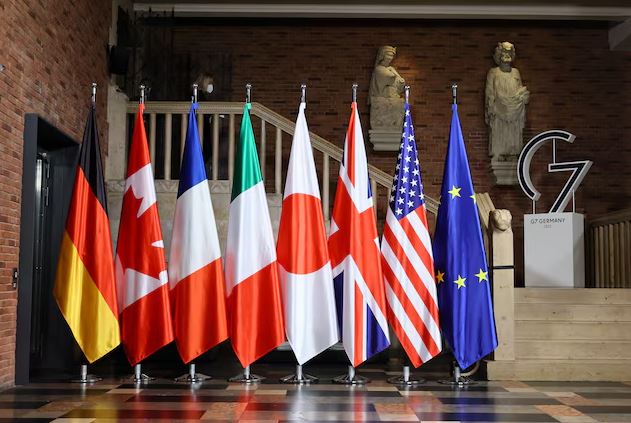
Everest, Kathmandu, October 3: G7 nations have agreed to release 100 million barrels of crude oil and diesel from their strategic reserves over a period of four months in an effort to address the global energy supply crisis and contain rising fuel prices.
The decision was announced following a video conference chaired by French President Emmanuel Macron on Friday. G7 leaders discussed recent volatility in energy markets, rising fuel prices and the possibility of further supply shortages.
Under the agreement, oil and diesel will begin to be released from strategic reserves through the International Energy Agency. A significant quantity of diesel is expected to enter the market within the first 20 days. The move is aimed at increasing market supply and easing upward pressure on fuel prices.
The G7 nations also committed to refraining from imposing restrictions on energy and energy-product exports between member countries. The United States had recently indicated that it could consider restricting fuel exports to address rising domestic diesel prices and supply concerns.
European countries had expressed concern that such a move could put additional pressure on global energy markets.
U.S. President Donald Trump said European countries had agreed to release a substantial amount of diesel from their strategic reserves.
The United States has emphasized the need to protect American farmers, transportation operators and other businesses from the additional burden caused by the global diesel shortage.
The war involving the United States, Israel and Iran has also been cited as one of the major factors behind the worsening global energy crisis. Rising risks to oil supplies and transportation routes have contributed to sharp increases in the prices of crude oil and refined fuels in international markets.
In addition, restrictions imposed by Russia on some fuel exports following attacks against the country have created further pressure on global supplies. Russia is one of the world’s major energy producers, and reduced exports have affected international markets.
Earlier, 32 member countries of the International Energy Agency agreed in March to release 400 million barrels of oil from their strategic reserves. According to IEA Executive Director Fatih Birol, some of the oil under that decision has yet to enter the market. He said additional reserves could be used if necessary.
The impact of rising energy prices has also been reflected in inflation in Europe. Inflation in the euro area reached 3.8 percent in September, the highest level in three years.
G7 leaders said controlling energy prices, ensuring supply security and reducing the pressure of rising living costs on citizens remain their priorities. While the latest decision is expected to make additional fuel available in the market in the short term, its long-term impact will depend on developments in the Middle East conflict, Russian energy supplies and global energy demand.
About the author
System Admin
This author has not added a bio yet.
Comments (0)
Be the first to comment!
Leave a Reply
Your comment will be reviewed by an admin before being published.